
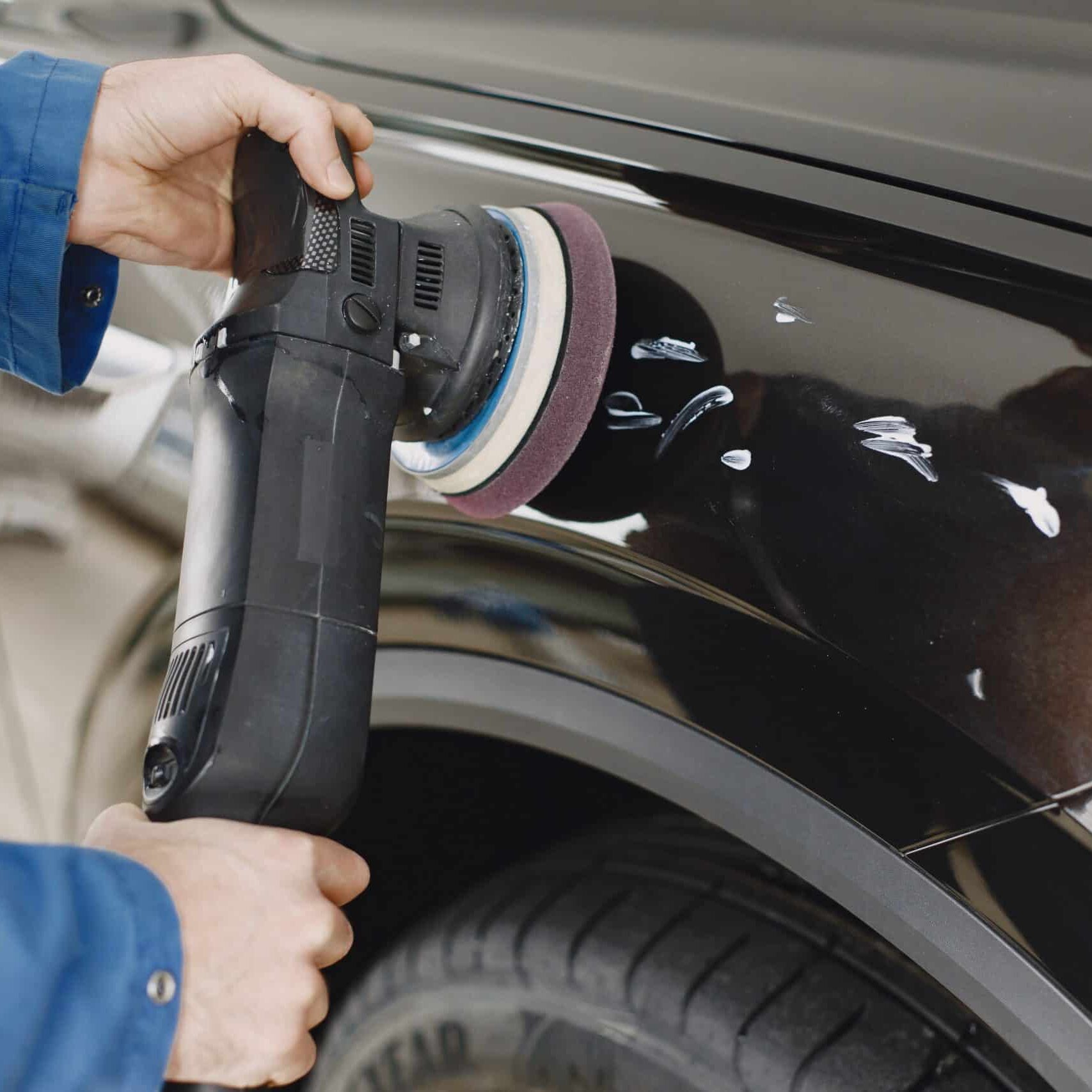
All About Auto Dent Repair Service: Traditional Dent Repair vs. Paintless Dent Repair
A shopping cart clips a door panel in a Rochester parking lot. A summer hailstorm leaves dozens of shallow dents across a hood and roof. Both vehicles have dent damage, but they do not need the same repair. One can often be restored without new paint, while the other requires conventional body repair to return the vehicle to its original condition.
Understanding the difference between traditional auto dent repair and paintless dent repair helps you choose the right repair method, avoid unnecessary costs, and know what to expect during the repair process.
Not Every Dent Is Repaired the Same Way
Dent repair is not a single service. The repair method depends on several factors, including:
- The depth of the dent
- The location on the vehicle
- Damage to the paint
- Access behind the panel
- Metal stretching or sharp creases
- The type of vehicle and panel material
Small door dings from crowded parking lots near Apache Mall require a different repair approach than a dent caused by a low-speed collision on Highway 52 or a deer strike outside Rochester.
A professional inspection determines which repair method restores both the appearance and structural integrity of the panel.
How Traditional Auto Dent Repair Works
Traditional dent repair is used when the damage goes beyond what paintless techniques can safely correct. This is common after accidents, deep impacts, sharp creases, or damage that has cracked or chipped the paint.
The repair process usually follows these steps:
- Damage inspection and estimate.
- Partial disassembly to inspect hidden damage.
- Pulling or reshaping damaged metal.
- Applying body filler only where necessary.
- Sanding and preparing the surface.
- Priming and factory color matching.
- Painting and clear coat application.
- Reassembly and quality inspection.
Modern paint systems are carefully blended into surrounding panels when needed so the repair matches the original finish.
For Rochester drivers, traditional repairs are often necessary after winter sliding accidents, parking lot collisions, or impacts that damage multiple panels.
What Paintless Dent Repair Does Differently
Paintless Dent Repair, often called PDR, removes dents without sanding, filler, or repainting. Specialized tools gently massage the metal back into shape from behind the panel or use precision pulling techniques from the outside.
PDR works best when:
- The paint remains intact.
- The dent is shallow.
- The metal has not stretched significantly.
- The damage is away from reinforced edges.
- There is adequate tool access behind the panel.
This makes PDR an excellent option after many Minnesota hailstorms or for small door dings that happen in busy parking lots around Rochester.
Since the original factory finish stays untouched, the repair is often completed much faster than conventional body work.
Comparing Traditional Dent Repair and Paintless Dent Repair
Both methods solve dent problems, but each serves a different purpose.
| Traditional Dent Repair | Paintless Dent Repair |
| Repairs dents with damaged paint | Repairs dents with original paint intact |
| Uses body filler, primer, and paint | No filler or repainting required |
| Best for collision damage and deep dents | Best for hail damage and minor dents |
| Longer repair timeline | Often completed in hours or one day |
| Restores heavily damaged panels | Preserves factory paint finish |
A qualified technician may even combine both methods on the same vehicle. For example, several hail dents might qualify for PDR while one larger crease on a fender requires conventional repair.
What Most Customers Do Not Know About Dent Repairs
Many people assume the visible dent tells the whole story.
In reality, technicians often remove trim panels, lights, or interior pieces to inspect hidden damage before approving a repair plan. That teardown process can reveal bent brackets, broken mounting points, or hidden structural damage that was impossible to see during the initial estimate.
This is one reason a repair estimate can change after disassembly. It is not uncommon for insurance companies to approve supplemental repairs once hidden damage is documented.
Understanding this process also answers a common question people search online: what happens after a car accident repair estimate. The estimate begins the repair process, but it is not always the final repair plan.
Insurance Claims and Dent Repair Decisions
Many dent repairs involve insurance, especially after hailstorms or vehicle accidents.
One question drivers frequently ask is: do I have to use the insurance company’s body shop.
The answer is no. Minnesota drivers generally have the right to choose the repair facility they want. Insurance companies may recommend preferred shops, but the repair decision belongs to the vehicle owner.
Traditional collision repairs usually require communication between the repair shop and the insurance adjuster throughout the repair. Additional approvals may be needed if hidden damage is discovered after teardown.
For hail damage, Paintless Dent Repair is commonly covered under comprehensive insurance, depending on your policy and deductible.
Repair Timelines and What Can Slow Things Down
A common online search is how long does collision repair take in Rochester MN.
The answer depends on the repair method.
Paintless Dent Repair can often be completed within a day or two for minor damage. Large hail events may increase scheduling times because many vehicles need repairs at once.
Traditional dent repair usually takes several days to a couple of weeks. Factors that affect timing include:
- Insurance approval delays
- Hidden damage discovered during teardown
- Backordered OEM parts
- Paint curing times
- Calibration requirements for modern safety systems
Vehicles equipped with blind spot monitoring, parking sensors, or advanced driver assistance features may require additional inspections after repairs are completed.
One Simple Step That Can Save Time and Money
Do not accept a quick estimate based only on photos when collision damage is involved.
Photos are useful for an initial evaluation, but they rarely reveal damage hidden behind bumpers, fenders, or door panels. An in-person inspection provides a much more accurate repair plan and reduces the chances of unexpected delays after work begins.
That extra inspection can prevent frustration during both the insurance approval process and the repair itself.
Which Repair Option Makes the Most Sense?
The right repair depends on your situation.
A first-time accident usually calls for a complete collision inspection because damage extends beyond the visible dent more often than drivers expect.
A lease return with a few parking lot dings may qualify for Paintless Dent Repair, making it possible to improve the vehicle’s appearance without repainting original panels.
Someone preparing a vehicle for resale may benefit from a combination of PDR and conventional repairs, depending on the extent of the damage and the vehicle’s value.
Common Questions About Auto Dent Repair
Can every dent be repaired with Paintless Dent Repair?
No. Sharp creases, stretched metal, cracked paint, and collision damage typically require conventional body repair.
Is traditional dent repair stronger than Paintless Dent Repair?
Neither method is stronger. The goal is to use the repair process that properly restores the damaged panel. A properly repaired collision panel meets manufacturer repair standards, while PDR preserves the original factory finish when the damage qualifies.
Will insurance cover dent repair?
Many accident-related repairs are covered under collision coverage. Hail damage is often covered under comprehensive coverage. Coverage depends on your policy and deductible.
Does repainting reduce a vehicle’s value?
A professionally matched factory-quality refinish is the accepted repair for collision damage. The priority is restoring the vehicle safely and correctly.
How do I choose the right dent repair shop?
Look for a shop that performs a complete inspection, explains the repair process, works directly with insurance companies, and offers both conventional dent repair and Paintless Dent Repair when appropriate.
Get the Right Repair the First Time
Every dent tells a different story. Some disappear with Paintless Dent Repair, while others require conventional body repair to restore the vehicle safely and correctly. An experienced collision repair shop can identify the proper repair method during a thorough inspection, explain the process clearly, and work directly with your insurance company when a claim is involved.
At Rossi Collision Center in Rochester, MN, every repair is handled in-house, from the initial estimate through paint, reassembly, and final inspection. Request an estimate today and get a repair plan built around your vehicle, not a one-size-fits-all solution.